

Physical Security Systems for Safer and More Efficient Business Operations
Protecting a business involves more than locking doors at the end of the day. Commercial buildings, warehouses, offices, industrial facilities, and retail premises all face different security challenges. Unauthorized access, theft, vandalism, and gaps in monitoring can disrupt daily operations, damage valuable assets, and put employees at risk. Investing in reliable physical security systems helps businesses manage these risks while maintaining a secure and productive working environment.
The right security strategy combines suitable equipment, practical access controls, and consistent monitoring. Rather than relying on a single device, businesses can build a coordinated solution that addresses their specific vulnerabilities and operational requirements.
Understanding the Role of Physical Security Systems
Physical security systems are designed to protect people, property, equipment, and facilities against unauthorized access and physical threats. Depending on the environment, they may include surveillance cameras, access control systems, alarm devices, security barriers, turnstiles, and other protective technologies.
For a small office, a controlled entry system and strategically positioned cameras may provide sufficient coverage. A large industrial facility, however, may require perimeter protection, vehicle access controls, intrusion detection, and centralized monitoring.
The objective is to establish multiple layers of protection that work together. When one security measure is bypassed or fails to identify a problem, another layer can help reduce the risk and support a faster response.
Choosing Security Solutions That Match Your Facility
Every property has its own layout, access points, and operational concerns. Selecting equipment without assessing these factors can result in unnecessary expenses or important security gaps.
A professional assessment should identify vulnerable entrances, restricted areas, high-value assets, visitor movement, and locations that require continuous supervision. Based on these findings, businesses can choose appropriate security technologies.
Common solutions include:
Video surveillance systems: Security cameras help monitor entrances, loading bays, parking areas, corridors, and sensitive operational spaces.
Access control systems: Keycards, PIN codes, mobile credentials, and biometric readers help restrict entry to authorized individuals.
Intrusion detection systems: Sensors and alarms can identify unauthorized entry attempts and alert designated personnel.
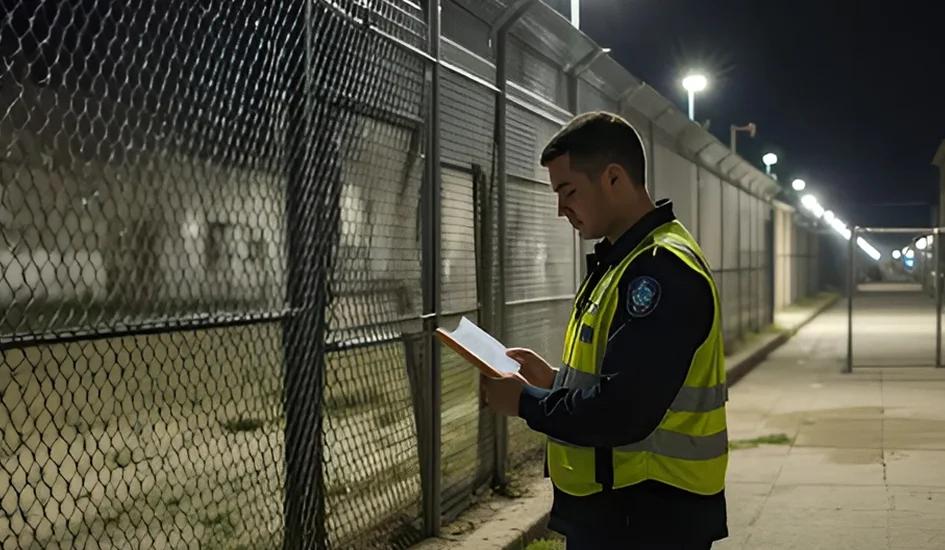
Perimeter security: Fencing, controlled gates, barriers, and detection technologies help protect external boundaries.
Entry management solutions: Turnstiles, visitor registration, and vehicle access controls improve the management of people and traffic.
Integrating these components can provide a clearer picture of activity across the property while reducing dependence on manual security procedures.
Why Businesses Need Integrated Security
One of the common weaknesses in commercial security is the use of disconnected equipment. Cameras may record incidents, but security staff might not know when an unauthorized door opening occurs. Access systems may restrict entry, yet provide limited visibility into activity outside the building.
Integrated physical security systems connect relevant technologies through a coordinated management platform. For example, an access control event can be linked with camera footage, allowing authorized staff to review what happened at a particular entrance.
This approach can improve incident investigation, simplify monitoring, and support more informed security decisions. It is particularly valuable for businesses operating multiple buildings, distribution centers, industrial sites, or large commercial properties.
Integration should be planned carefully, with attention to compatibility, system reliability, user permissions, and data protection requirements.
Improving Workplace Safety and Operational Control
Security measures can contribute to business performance beyond preventing theft. Controlled access helps protect restricted areas, including server rooms, equipment storage spaces, laboratories, and administrative offices. Visitor management procedures also help organizations maintain better oversight of contractors, suppliers, and other external personnel.
In warehouses and logistics facilities, surveillance and access monitoring can support the investigation of missing inventory, unauthorized vehicle movements, and incidents around loading areas. Retail businesses can use surveillance coverage to monitor entrances, stockrooms, and customer-facing spaces.
These capabilities help managers identify recurring problems and improve internal procedures. When employees understand how security measures work, they can also follow safer practices without unnecessary disruption to daily activities.
Factors to Consider Before Installation
Choosing the right security provider and equipment requires more than comparing initial prices. Businesses should evaluate several factors before committing to an installation.
First, consider the size and layout of the property. Camera placement, lighting conditions, entrance locations, and outdoor exposure can all influence system performance.
Second, assess scalability. A solution should accommodate future changes, such as additional entrances, new buildings, expanded operations, or a growing workforce.
Third, examine maintenance requirements. Cameras, sensors, access readers, backup power supplies, and recording equipment need appropriate testing and servicing to remain dependable.
Finally, review cybersecurity and privacy considerations. Network-connected devices should use strong authentication, controlled permissions, secure configurations, and timely updates. Organizations should also establish suitable policies for recording, retaining, and accessing surveillance footage.
A well-planned installation considers these requirements from the beginning rather than treating them as later adjustments.
Building a Long-Term Security Strategy
Effective security is an ongoing process, not a one-time purchase. Business operations change, equipment ages, employees leave, and new risks emerge. Regular inspections, access permission reviews, staff training, and incident response planning help maintain the effectiveness of installed systems.
Businesses should also evaluate whether existing equipment continues to meet their needs. Outdated cameras, unreliable sensors, poorly positioned readers, or inconsistent maintenance can weaken otherwise comprehensive protection.
Working with an experienced security systems provider can help organizations identify these weaknesses, select compatible technologies, and develop a practical implementation plan. The most suitable solution is one that balances protection, usability, reliability, and long-term operating costs.
Final Thoughts
Reliable physical security systems help businesses protect their people, assets, and premises while improving control over daily operations. From surveillance cameras and access management to intrusion detection and perimeter protection, each component serves a specific purpose within a broader security strategy.
The strongest results come from understanding actual risks before selecting equipment. By combining appropriate technology, professional installation, routine maintenance, and clear security procedures, businesses can establish a dependable foundation for safer operations and sustainable growth.