

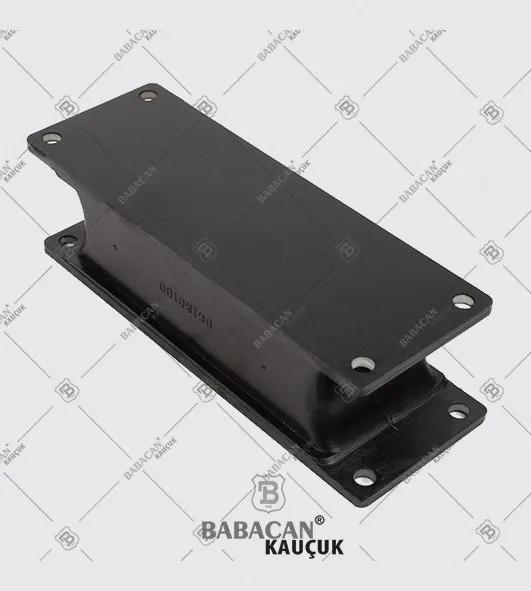
BOMAG 6180100 Vibration Pad for Reliable Asphalt Roller Performance
Road construction equipment operates under continuous mechanical stress, particularly during asphalt compaction. Vibratory rollers must deliver consistent performance across demanding surfaces while handling repeated loads, vibration, dust, and changing site conditions. When a vibration isolation component becomes worn or damaged, the resulting mechanical stress can increase maintenance requirements and interrupt essential construction work.
The BOMAG 6180100 vibration pad is a replacement component designed for compatible BOMAG asphalt rollers. By helping control vibration transmission between connected machine components, a suitable vibration pad supports equipment reliability and helps maintenance teams keep their machinery ready for demanding road construction projects.
For contractors, fleet managers, and heavy equipment maintenance professionals, choosing the correct replacement part is an important step toward reducing avoidable downtime and managing operating costs.
What Is the BOMAG 6180100 Vibration Pad?
The BOMAG 6180100 vibration pad, also identified by the OEM reference 06180100, is a vibration isolation component used in compatible road roller equipment. Babacan Rubber lists this product for BOMAG compaction machinery, including the BOMAG 212 D3.
Vibration pads are important because asphalt rollers generate substantial mechanical oscillations during compaction. Although vibration is necessary for the machine's primary function, excessive transmission into supporting structures can contribute to wear and unwanted mechanical stress.
A properly specified vibration pad helps isolate these forces while supporting the mounting assembly. Its effectiveness depends on the component's design, material properties, load requirements, and correct installation.
When sourcing this part, buyers should verify the exact reference number and machine compatibility instead of relying solely on a visual comparison with an existing component.
Why Vibration Isolation Matters for Asphalt Rollers
Asphalt compaction requires consistent machine operation to achieve the intended pavement quality. Road rollers work across highways, municipal roads, industrial sites, and infrastructure projects where equipment availability directly affects project schedules.
A worn vibration pad may no longer provide the intended level of isolation. This can allow more vibration to pass through the mounting assembly, potentially increasing stress on nearby components.
Effective vibration isolation offers several practical benefits.
Reduced mechanical stress: Properly functioning mounts help limit the transmission of unwanted vibration to supporting structures and connected components.
More predictable maintenance: Routine inspection of vibration pads can help maintenance teams identify deterioration before it contributes to more extensive equipment problems.
Improved operating conditions: Excessive transmitted vibration can affect the machine structure and operator environment. Maintaining suitable isolation can help support a more controlled working experience.
Better equipment availability: Identifying and replacing worn components during planned maintenance can help reduce the likelihood of unexpected stoppages.
These benefits depend on the condition of the complete machine and the suitability of the replacement component. A vibration pad alone cannot correct problems caused by damaged bearings, faulty vibration mechanisms, or other mechanical defects.
Signs Your BOMAG Roller May Need a Replacement Vibration Pad
Recognizing potential component deterioration early can help prevent minor maintenance concerns from developing into costly repairs. Operators and technicians should pay attention to several warning signs.
1. Unusual Vibration or Mechanical Noise
A noticeable change in vibration or the appearance of new mechanical noise may indicate a problem with the mounting system. However, these symptoms can also result from other equipment faults, so technicians should inspect the complete assembly before ordering replacement parts.
2. Visible Rubber Deterioration
Cracks, tearing, separation, or permanent deformation can indicate that a rubber vibration pad has deteriorated. Environmental exposure, repeated loading, material aging, and operating conditions may all contribute to wear.
3. Loose Mounting Hardware
Fasteners and mounting points should be checked for looseness, movement, and visible damage. Incorrect installation or worn attachment surfaces can affect how the vibration isolation system performs.
4. Repeated Maintenance Problems
If vibration-related issues continue after routine servicing, replacing individual parts without identifying the underlying cause may lead to repeated expenditure. A systematic inspection can help determine whether the vibration pad, its mounting surfaces, or another machine component requires attention.
How to Choose the Correct BOMAG 6180100 Replacement Part
Selecting a replacement vibration pad requires more than finding a product with a similar shape. Equipment owners should verify several technical details before purchasing.
Confirm the part reference. Check both 6180100 and 06180100 against the machine's parts documentation. Reference numbers should be verified before an order is finalized.
Check the roller model. The product listing identifies the BOMAG 212 D3 and specifies additional compatible models. Confirm the exact machine variant and mounting position with the supplier or the applicable parts catalogue.
Verify the technical specification. Dimensions, mounting arrangements, load requirements, and material characteristics should match the intended application. An unsuitable component may provide inadequate isolation or fail prematurely.
Review the supplier information. Request confirmation of compatibility, availability, and relevant technical documentation before purchasing. This is particularly important when sourcing parts for older rollers or equipment with a history of previous repairs.
Taking these steps can reduce ordering errors, avoid unnecessary returns, and help maintenance teams complete repairs more efficiently.
Installation and Preventive Maintenance Recommendations
Correct installation is essential to the performance and service life of a vibration pad. Before fitting a replacement, technicians should inspect the surrounding assembly for damaged mounting surfaces, loose hardware, contamination, and signs of abnormal movement.
The replacement should be installed according to the applicable equipment and component instructions. Mounting orientation, fastener requirements, and specified tightening torque must be followed rather than estimated.
Regular inspections should form part of the machine's preventive maintenance schedule. The frequency of inspection should reflect the manufacturer's recommendations, operating hours, workload, and site conditions.
Keeping maintenance records can also help identify recurring failures. If a new vibration pad deteriorates unusually quickly, the maintenance team should investigate excessive loading, alignment problems, installation errors, and other potential causes instead of repeatedly replacing the component without further diagnosis.
Applications in Road Construction and Infrastructure Projects
BOMAG asphalt rollers are used in a range of compaction operations, from municipal road improvements to major highway construction. Maintaining the vibration isolation system is relevant wherever these machines operate under demanding working conditions.
The BOMAG 6180100 vibration pad is particularly relevant to maintenance teams servicing compatible BOMAG rollers. Keeping the correct replacement reference available can support planned repairs and reduce delays associated with identifying the required component after a failure.
For contractors managing multiple machines, accurate parts identification also helps organize maintenance inventories. Stocking components based on actual fleet requirements can reduce unnecessary purchases while improving readiness for scheduled servicing.
Sourcing BOMAG 6180100 from Babacan Rubber
Finding the correct industrial rubber component involves more than comparing prices. Buyers need reliable part identification, clear compatibility information, and access to technical assistance when specifications are uncertain.
Babacan Rubber supplies rubber spare parts and vibration isolation components for construction machinery and other industrial applications. Its product listing identifies the BOMAG 06180100 vibration pad, also referenced as 6180100.
Before placing an order, buyers should provide the machine model, required part number, and any relevant technical information. This allows the supplier to help confirm the appropriate component and discuss availability or quotation requirements.
For construction businesses, choosing a suitable replacement and following proper maintenance procedures can help support dependable equipment operation and more effective maintenance planning.
Final Thoughts
Vibration isolation is an important consideration in maintaining asphalt rollers that operate under continuous mechanical loads. A worn or incorrectly specified vibration pad can contribute to unnecessary stress and additional maintenance work.
The BOMAG 6180100 vibration pad is a replacement option for compatible BOMAG road rollers. By confirming the correct part reference, checking model compatibility, and following the recommended installation and inspection procedures, equipment owners can make informed maintenance decisions and support reliable machine performance throughout demanding construction projects.