

Eventi Aziendali for Stronger Business Relationships and Brand Growth
When a company wants to strengthen relationships, motivate its team, present a new product, or build a stronger connection with clients, a well-organized event can achieve far more than a standard business meeting. Eventi Aziendali have become an important part of modern corporate communication because they give businesses an opportunity to create real experiences around their brand.
A successful corporate event is not simply about choosing a venue, arranging catering, and inviting guests. It requires a clear purpose, careful planning, professional coordination, and an understanding of what attendees expect. Whether the occasion is a conference, company anniversary, product launch, networking event, team-building activity, or private corporate celebration, every detail can influence how guests remember the business.
Why Eventi Aziendali Matter to Modern Businesses
Corporate communication is no longer limited to emails, presentations, advertisements, and online meetings. Businesses increasingly need meaningful ways to connect with people face to face. This is where professional Eventi Aziendali can provide significant value.
An event allows a company to communicate its personality in a more direct and engaging way. Guests can interact with representatives, experience the brand environment, exchange ideas, and build relationships that may continue long after the event has finished.
For clients and business partners, a professionally managed event can demonstrate attention to detail and commitment to quality. For employees, it can create a sense of recognition and belonging. For potential customers, it can provide an opportunity to understand the company's products, services, and values in a more personal environment.
The strongest corporate events therefore have a purpose beyond entertainment. They support broader business and communication objectives.
Choosing the Right Type of Corporate Event
The first step in planning successful Eventi Aziendali is understanding what the company wants to accomplish. Different objectives require different event formats.
A company looking to introduce a new product may benefit from a product launch designed around demonstrations and direct interaction. A business celebrating an important milestone may prefer an elegant corporate celebration. For internal communication, conferences, workshops, and team-building activities can be more appropriate.
Networking events can help companies create connections between clients, suppliers, professionals, and potential partners. Meanwhile, employee-focused events can be designed to recognize achievements, improve team relationships, or simply provide employees with an enjoyable experience outside their normal working environment.
The format should always support the purpose. An impressive venue or expensive entertainment cannot compensate for an event that lacks a clear objective.
Planning Makes the Difference
Professional event planning involves much more than managing the schedule on the day itself. Successful Eventi Aziendali begin with detailed preparation.
The planning process normally involves defining the guest list, selecting the location, establishing a realistic budget, organizing catering, managing invitations, arranging technical equipment, coordinating suppliers, and developing a detailed event schedule.
Timing is particularly important. Guests should know where they need to be and when, while speakers, entertainment providers, caterers, and technical teams must work according to a coordinated schedule.
A professional approach also considers what could go wrong. Weather problems, technical failures, delayed suppliers, changes in guest numbers, and last-minute requirements can affect an event. Having contingency plans allows organizers to respond quickly without creating unnecessary stress for guests.
Creating an Experience That Reflects the Brand
Every corporate event communicates something about the company. The venue, decoration, presentation style, entertainment, food, signage, staff, and even the registration process contribute to the overall impression.
This makes branding an important part of Eventi Aziendali.
Brand elements should be incorporated naturally rather than making the event feel like a continuous advertisement. Colors, logos, presentation materials, digital screens, welcome areas, promotional displays, and customized details can create a consistent visual identity while maintaining a professional atmosphere.
The goal is to make the event feel connected to the company without overwhelming the guests.
For example, a technology company might create an interactive experience featuring demonstrations and digital installations, while a luxury brand may focus more heavily on sophisticated design, hospitality, and personalized service. The event concept should match the company's identity and audience.
The Importance of Venue Selection
The venue can influence the atmosphere, accessibility, capacity, and overall success of an event. For this reason, venue selection deserves careful consideration.
A suitable location should have enough space for guests and planned activities. Accessibility is equally important, particularly when attendees are traveling from different areas. Parking, transportation options, facilities, technical infrastructure, and catering arrangements should also be evaluated before making a final decision.
The type of event should determine the style of venue. A formal conference may require professional meeting facilities, while a networking reception could work better in a stylish hospitality venue or unique event space.
The right location creates the foundation for the entire experience.
Catering and Hospitality
Food and hospitality are often among the details guests remember most. Poor service can negatively affect an otherwise well-organized event, while thoughtful hospitality can make attendees feel genuinely valued.
Corporate catering should reflect the type of event and the expectations of the guests. Menu selection, presentation, service style, dietary requirements, and timing all need to be considered.
For shorter business meetings, coffee breaks and light refreshments may be sufficient. Larger celebrations may require a complete dining experience, while networking events can benefit from food stations or carefully planned finger food that allows guests to continue conversations comfortably.
Hospitality also extends beyond food. A warm welcome, efficient registration, helpful staff, comfortable seating, and clear event information can make the experience smoother from beginning to end.
Technology and Professional Event Management
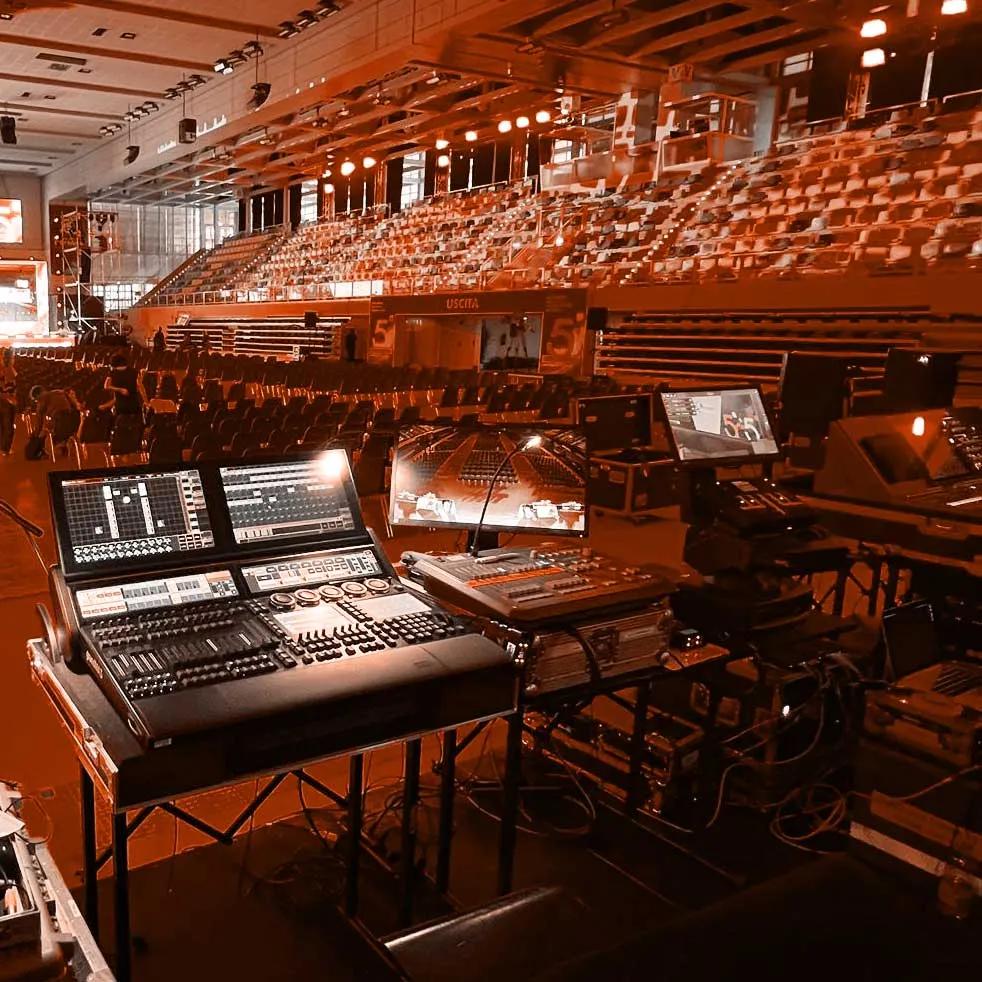
Technology has become an important component of modern Eventi Aziendali. From registration systems and digital invitations to professional sound, lighting, projection, live streaming, and interactive presentations, technology can improve both organization and audience engagement.
However, technology should support the event rather than become the main attraction unless it is part of the event's purpose.
Technical preparation is especially important for conferences, presentations, product launches, and hybrid events. Microphones, screens, projectors, internet connections, lighting, and other equipment should be tested before guests arrive.
A professional event management team can coordinate these technical requirements and reduce the risk of interruptions during important moments.